Despite the name, most people we see with tennis elbow at Physica Knoxfield have never picked up a tennis racquet. It's just as likely to be a tradie using tools all day, a keen gardener after a weekend of pruning, a parent carrying a baby car seat, or a desk worker on the mouse for long hours.
In this article we'll explain what tennis elbow is, who tends to get it, what you can do day to day, and how physiotherapy can help.
What is tennis elbow?
Tennis elbow, also called lateral elbow tendinopathy, affects the tendon on the outside of the elbow. This tendon connects the forearm muscles that extend your wrist and help you grip. When the load on the tendon increases more than it's load capacity, it can become painful and sensitive.
Who gets it?
Tennis elbow is most common between about 35 and 55. It often follows a change or increase in activities that involve repeated gripping, lifting or wrist movements, such as:
Using hand tools, drills, screwdrivers or paint brushes
Pruning, raking or weeding
Lifting with your palm facing down, like carrying bags or a kettle
Long hours of keyboard and mouse use
Racquet sports, especially with a sudden increase in play
Common symptoms
Pain on the outside of the elbow, sometimes spreading into the forearm
Pain when gripping, shaking hands, turning a door handle or opening a jar
Pain lifting objects with your palm facing down
A weaker grip than usual
Tenderness over the bony point on the outside of the elbow
What can help day to day
Modify, don't stop. Reduce gripping and lifting tasks that flare it for some time, and spread them out through the day or week.
Lift with your palm facing up where you can, rather than down.
Use bigger handles. Thicker grips on tools, or padding on handles, reduce how hard you need to squeeze.
Take breaks from repetitive tasks like pruning, painting or using a mouse.
Check your desk setup. Keep your mouse and keyboard close, with your wrist in a relaxed position. You can always use a mouse pad to reduce your wrist extension too.
Try a forearm brace (a counterforce strap worn just below the elbow), which some people find eases pain during activity.
What about injections?
Cortisone injections can reduce pain in the short term, but research suggests they may be linked with worse outcomes and more recurrence in the longer term compared with exercise-based care. It's worth discussing the pros and cons with your GP before deciding.
How physio can help
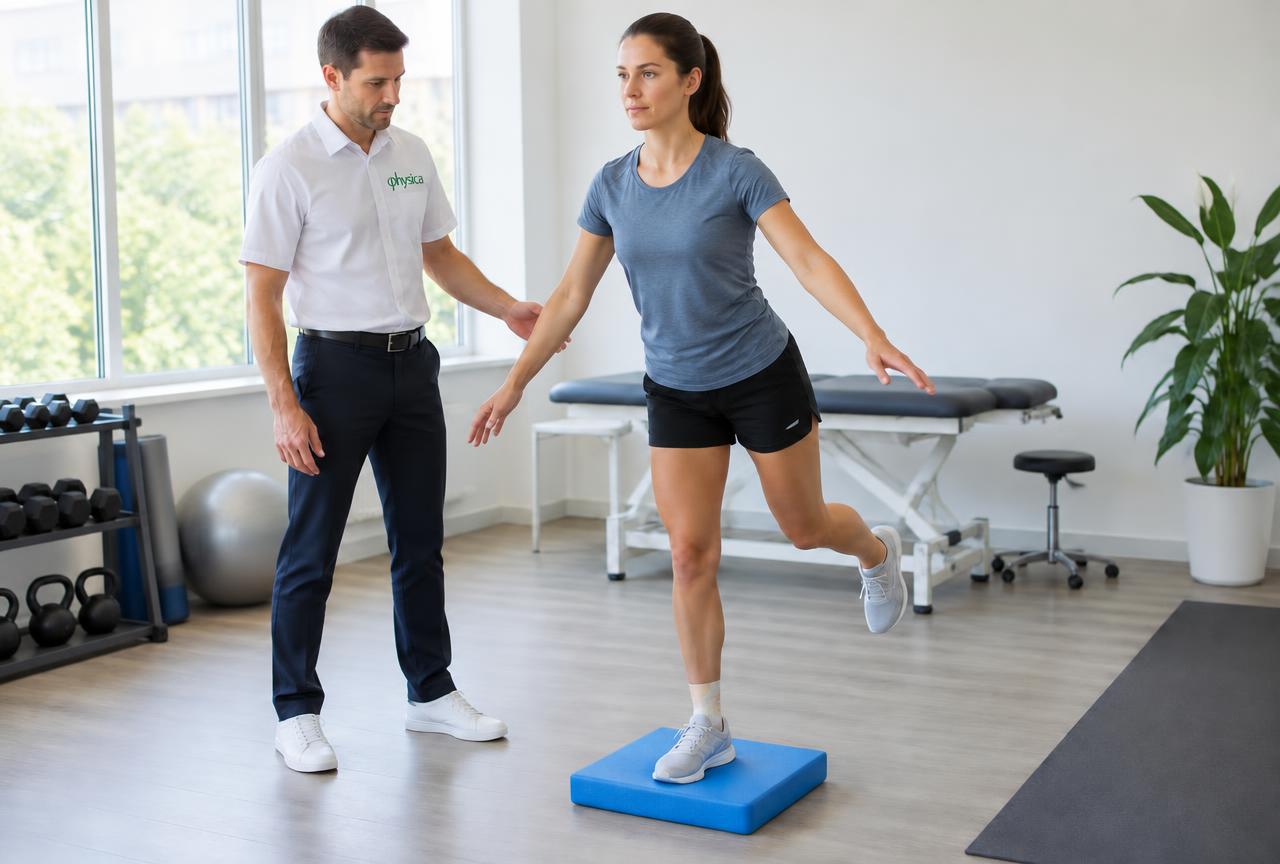
Tennis elbow can take months to settle, and a structured exercise program is a common first-line approach. At Physica Knoxfield, a typical plan may include:
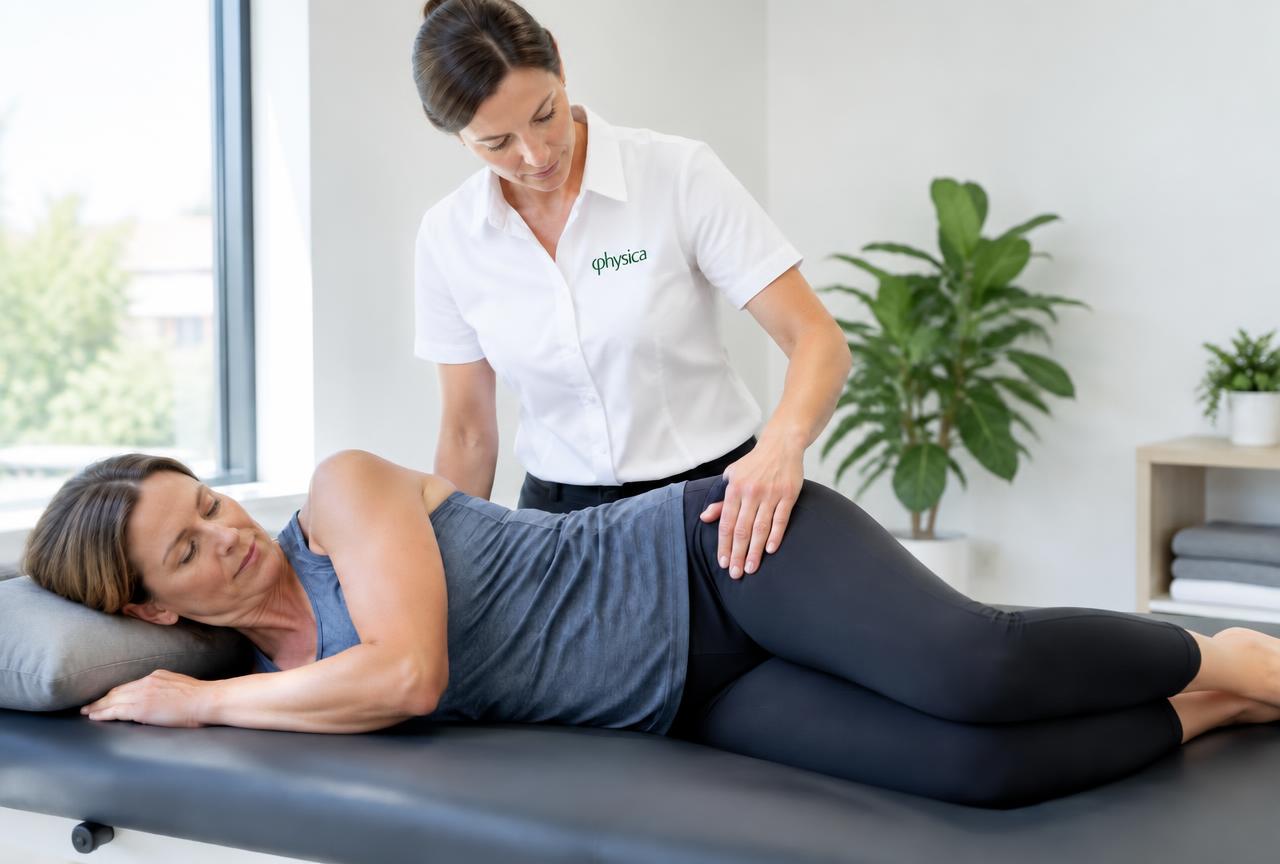
A thorough assessment to confirm the diagnosis and check that the pain isn't coming from another region.
Load advice for work, hobbies and sport, so you can keep doing what you need to
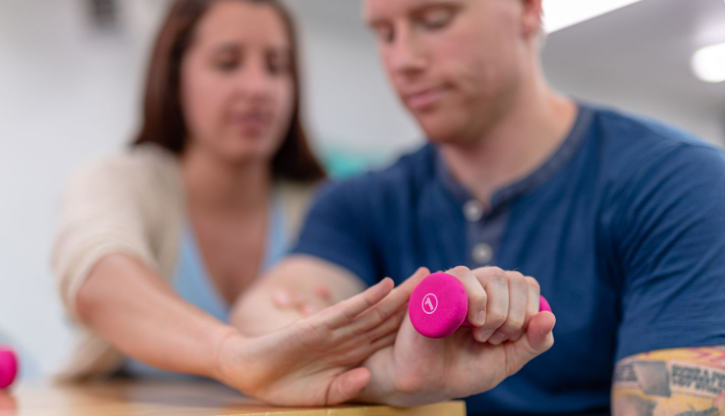
A progressive strengthening program for the forearm and wrist, starting with gentle exercises and building up over several weeks
Taping or bracing for short-term relief where it helps
A plan to get back to full use of your arm, whether that's a full day on the tools, a weekend in the garden or a set of tennis
Everyone's recovery is different, and tendons need time and consistency. Your physio will adjust your program as you go.
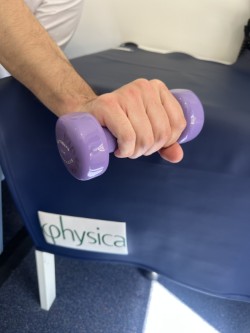
Clinical patient
A few weeks ago, we had a patient come through that had recently started renovating their house and had developed a really sore elbow after a big day on the tools. They were describing gripping and lifting tasks were quite uncomfortable and that they had pain from their elbow running into their forearm. Upon further questioning and testing, they had developed a tennis elbow or a lateral elbow tendinopathy.
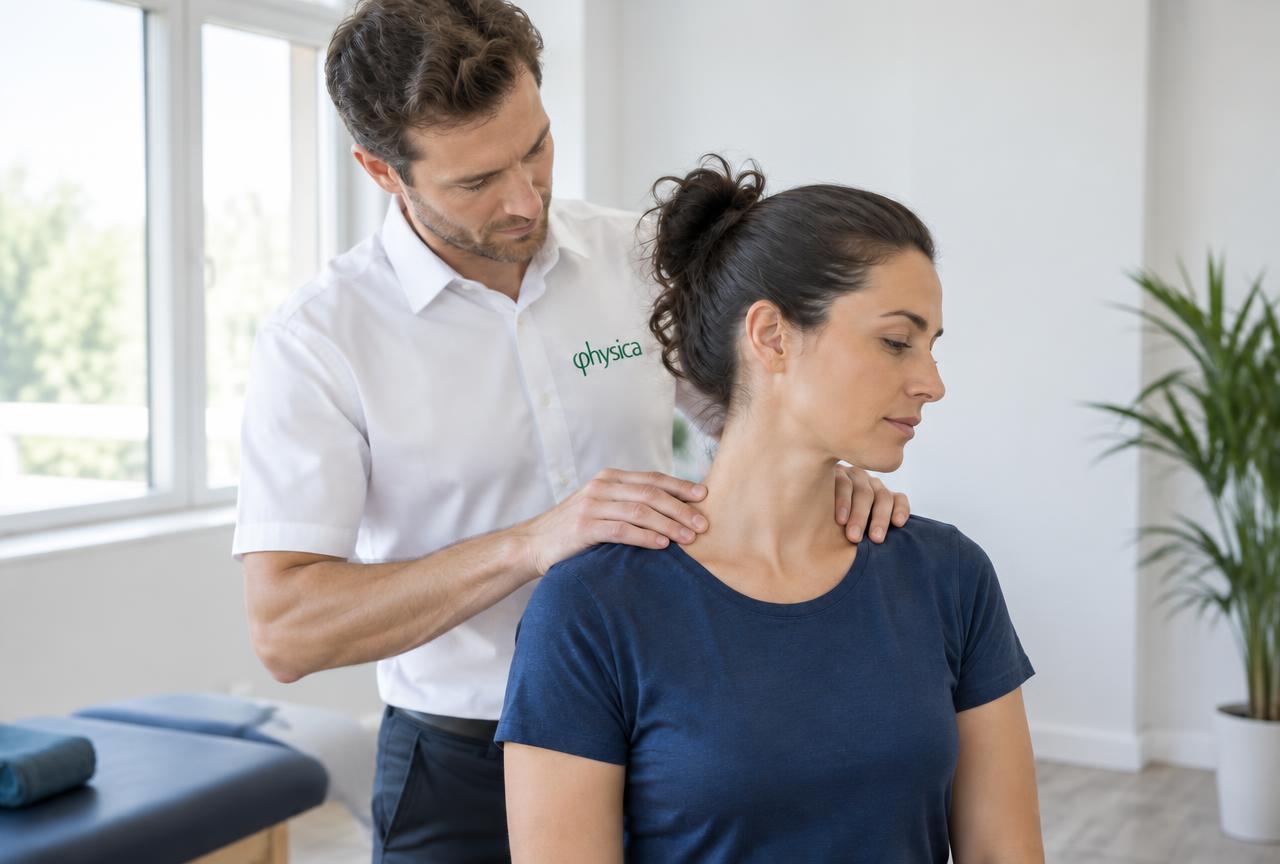
Treatment consisted of settling pain levels through soft tissue massage and mobilisations and then prescribing some exercises to help incorporate strength and stretch into the muscles of the surrounding region. A key component to tennis elbow, is the education part; this included activity modification and tips on how to avoid those aggravating positions that were making the elbow grumpy.
On review a two weeks later, they were feeling better and we were able to progress the exercises and start to increase the renovating work around the house once again.
When to get it checked
It's worth booking a physio assessment if:
Your elbow pain has lasted more than two or three weeks
It's affecting your work, grip strength or daily tasks
It keeps coming back whenever you return to tools, gardening or sport
You're not sure whether it's tennis elbow or something else
See your GP or seek urgent care if your elbow pain followed a fall or knock and you can't fully bend or straighten it, the elbow is hot, red and swollen, you feel unwell or feverish, or you have numbness, tingling or weakness in your hand.
Book an elbow assessment at Physica Knoxfield
You don't need a GP referral to see a physio. Our team works with people from Knoxfield, Scoresby, Rowville, Ferntree Gully, Bayswater and across the Knox area, and you can claim on the spot with HICAPS if you have private health cover with extras.
Book online or call us on (03) 9764 9359 to make a time.
This article is general information only and isn't a substitute for advice about your own situation. Please speak with a health professional about your symptoms.
Written by Ben McLaren, Physiotherapist at Physica Knoxfield.