Muscle strains are one of the most common injuries in sport, at every level. They can also happen to anyone who is physically active, and it's important they are rehabbed well so they don't become a regular occurrence! Read below to learn about the most common muscle strains, why they happen, and how to manage them.
The most commonly strained muscles
Hamstring: often strained during high-speed running and kicking sports (read more about a hamstring tear)
Calf: commonly strained when jumping or accelerating
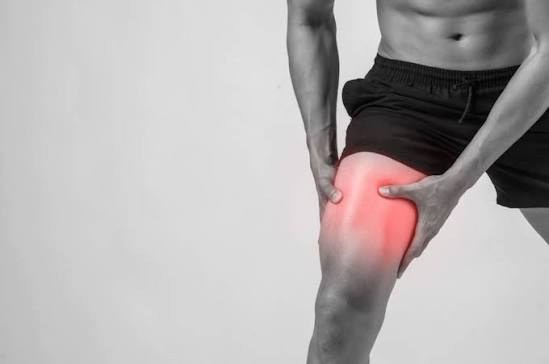
Quad: often strained during kicking or quick deceleration (read more about a quadriceps strain)
Groin: more likely to be strained when changing direction
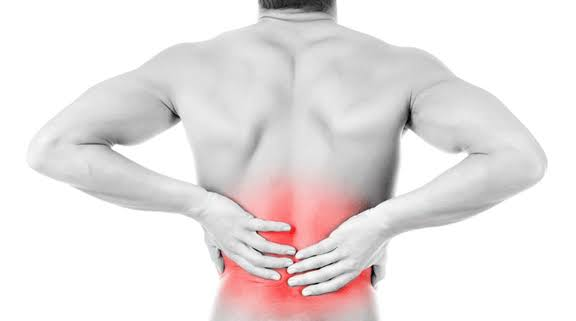
Low back: can be strained with sudden lifting or twisting movements
Why do muscle strains happen?
Muscle strains happen when we expose our muscles to a load they don't yet have the capacity for. This might be high-speed sprinting that the hamstrings don't have the strength or experience to tolerate, repeated kicking that the quads can't keep up with, or distances or hills the calves aren't prepared for. In each case, the load stretches the muscle fibres beyond their limit, causing a strain or sometimes a tear.
What to do straight after a muscle strain
Current sports medicine guidance uses the PEACE & LOVE approach to soft tissue injuries (Dubois and Esculier, British Journal of Sports Medicine, 2020). For the first few days, give the area PEACE:
Protect the area by limiting activities that increase your pain
Elevate the limb to help manage swelling
Avoid anti-inflammatories early on, as inflammation is part of how muscles heal. Check with your GP or pharmacist before changing any medication you've been prescribed.
Compress the area to limit swelling
Educate yourself with help from a physio or doctor so you understand what's going on
After those first few days, the area needs LOVE:
Load the area gradually, and only as much as your symptoms allow
Optimism: a positive, confident mindset can support your recovery
Vascularisation (blood flow): encourage it with pain-free aerobic activity such as walking, cycling or swimming
Exercise such as strength, mobility and cardio to gradually return to your normal activities
Reducing your risk of muscle strains
The best way to reduce your risk of a muscle strain is to make sure your muscles are ready for the loads they'll face in sport and physical activity. That includes:
Strength training, so the muscle is strong and resilient
Sprint and change-of-direction drills, so the muscle has been exposed to these demands before game day
Warming up before strenuous activity, to raise muscle temperature and prepare it for load
Fuelling and recovering well, so your muscles stay healthy
Runners can also read our guide to the most common running injuries.
When to see a physio
Our physios at Physica Knoxfield regularly assess and treat muscle injuries. It's a good idea to book in with one of our physios if:
You felt or heard a pop or snap when the injury happened
You're limping or can't use the affected limb or muscle
You notice tingling, weakness or numbness
The pain is severe, or getting worse after 48 to 72 hours
You've injured the area before and it keeps happening
Seek medical care promptly if you can't put any weight through the leg, there is large or rapidly increasing swelling, or the limb feels cold, pale or numb.
Seeing a physio early can help you understand your injury, start the right rehab and plan a safe return to the sport and activities you love.
Whether you're in Knoxfield, Wantirna South, Scoresby, Rowville or Ferntree Gully, we're right here in your neighbourhood! If you've strained a muscle playing sport or being active nearby, we'd love to help you get back on track.
You don't need a GP referral to see one of our physios, and you can claim on the spot with HICAPS if you have private health cover with extras.
Book online or call us on 03 9764 9359 to make a time to start your rehab journey!
This article is general information only and isn't a substitute for advice about your own situation. Please speak with a health professional about your symptoms.
Written by Milly Kenny, Physiotherapist at Physica Knoxfield.