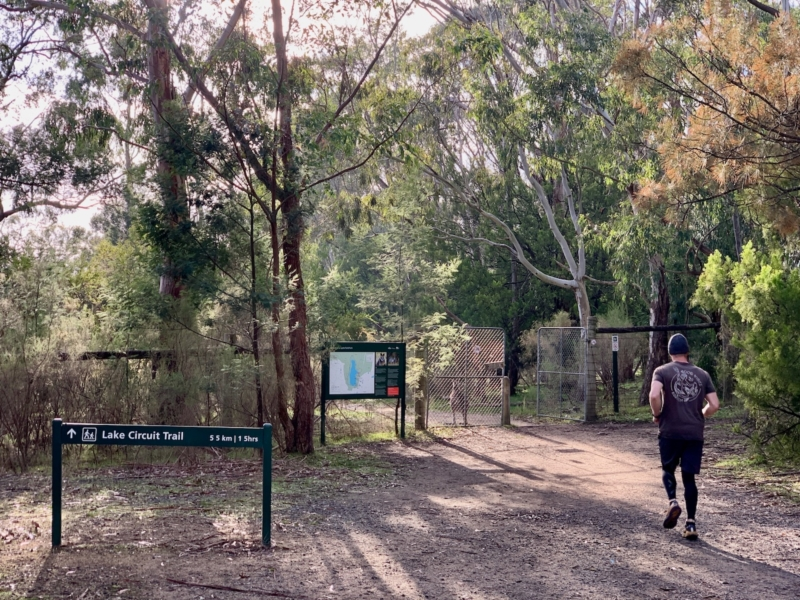
From the EastLink Trail, to the loop around Lysterfield Lake, and the hills of the Dandenong Ranges, the Knox area is a great place to run. Whether you're training to run your first 5k, your next marathon, or even getting into running for the first time, running injuries are common. We see them every week at Physica Knoxfield.
In this article, we'll cover the five most common running injuries, what causes them, prevention tips, and how to know that it's time to book that physio assessment!
Why running injuries happen
Most running injuries are overuse injuries. They develop when we increase our running load faster than our body can adapt. Common causes include increasing distance or pace too quickly, adding hills or speed work, trying to reach a slightly too ambitious new race goal too quickly, changing running shoes, or not adding enough recovery between runs.
The 5 running injuries we see most
Runner's knee (patellofemoral pain): an ache around or behind the kneecap. It's often worse running downhill, on stairs, or after sitting for a while.
"Shin splints” (medial tibial stress syndrome): pain along the inner edge of the shin bone, common in newer runners or after a jump in training load. It's important to tell this apart from a bone stress injury.
Achilles tendinopathy: pain and stiffness in the tendon at the back of the ankle, often worse first thing in the morning or at the start of a run.
Iliotibial band (ITB) pain: sharp pain on the outside of the knee that tends to come on at a predictable point in a run, especially on long runs or downhill.
Plantar heel pain: pain under the heel, often worse with the first steps in the morning.
Less commonly, runners develop bone stress injuries (stress fractures). Pain that's sharp and pinpointed on a bone, gets worse as you run, or hurts at rest. This type of pain needs prompt assessment from a physio.
How to reduce your risk
Build up gradually. Increase your weekly distance in small steps, and avoid adding distance, speed and hills all in the same week.
Plan recovery. Include easy runs and rest days, especially when training for an event.
Add strength training. Two short sessions a week for your calves, quads, hamstrings and glutes help your body handle running load. Calf raises, squats, lunges and step-ups are a good start.
Mix up your surfaces. Alternate between the sealed EastLink Trail, gravel paths and grass where you can.
Change shoes gradually. Choose shoes that feel comfortable, and break in new pairs over a few runs rather than racing in them straight away.
Look after sleep and fuel. Poor sleep and under-eating for your training both increase injury risk.
Listen to early warning signs. A niggle that's changing how you run is your cue to back off and get it checked.
How physio can help
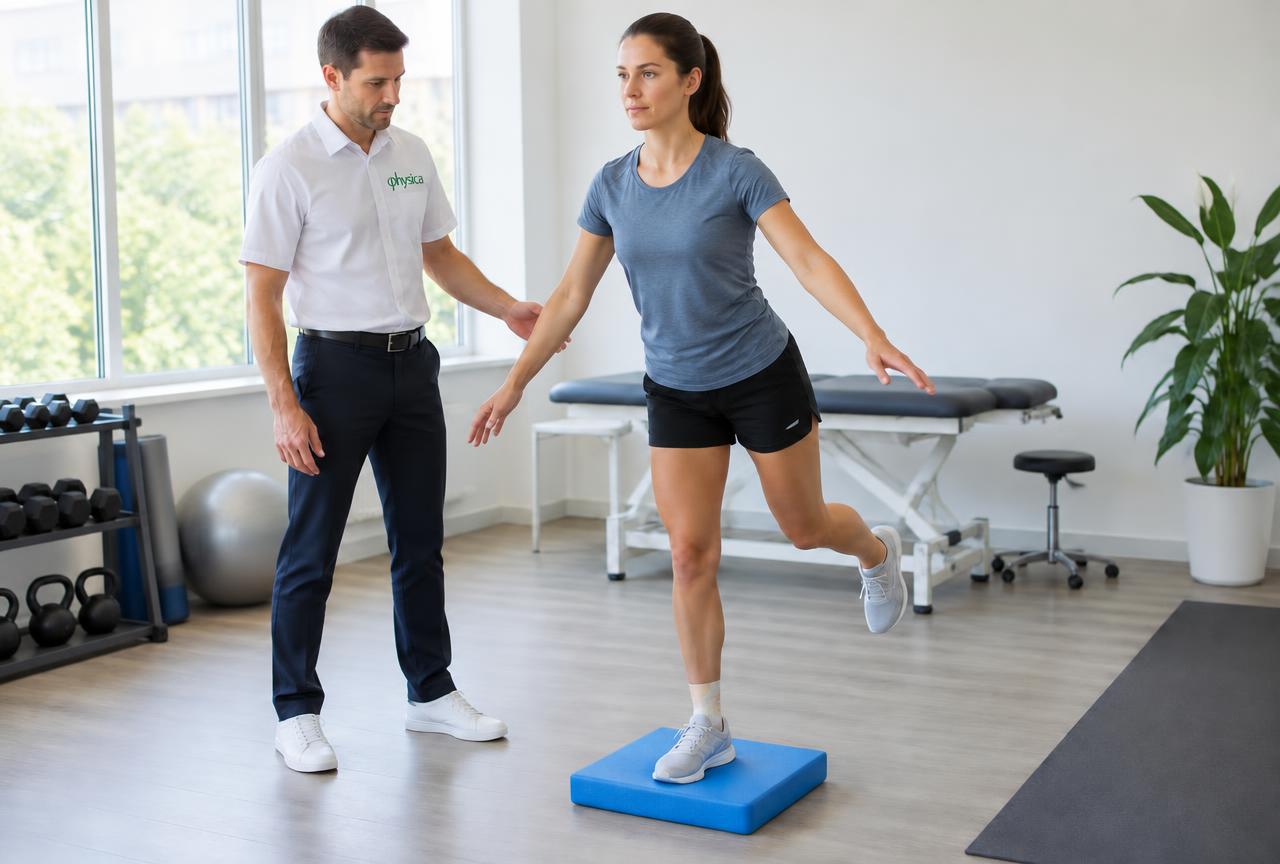
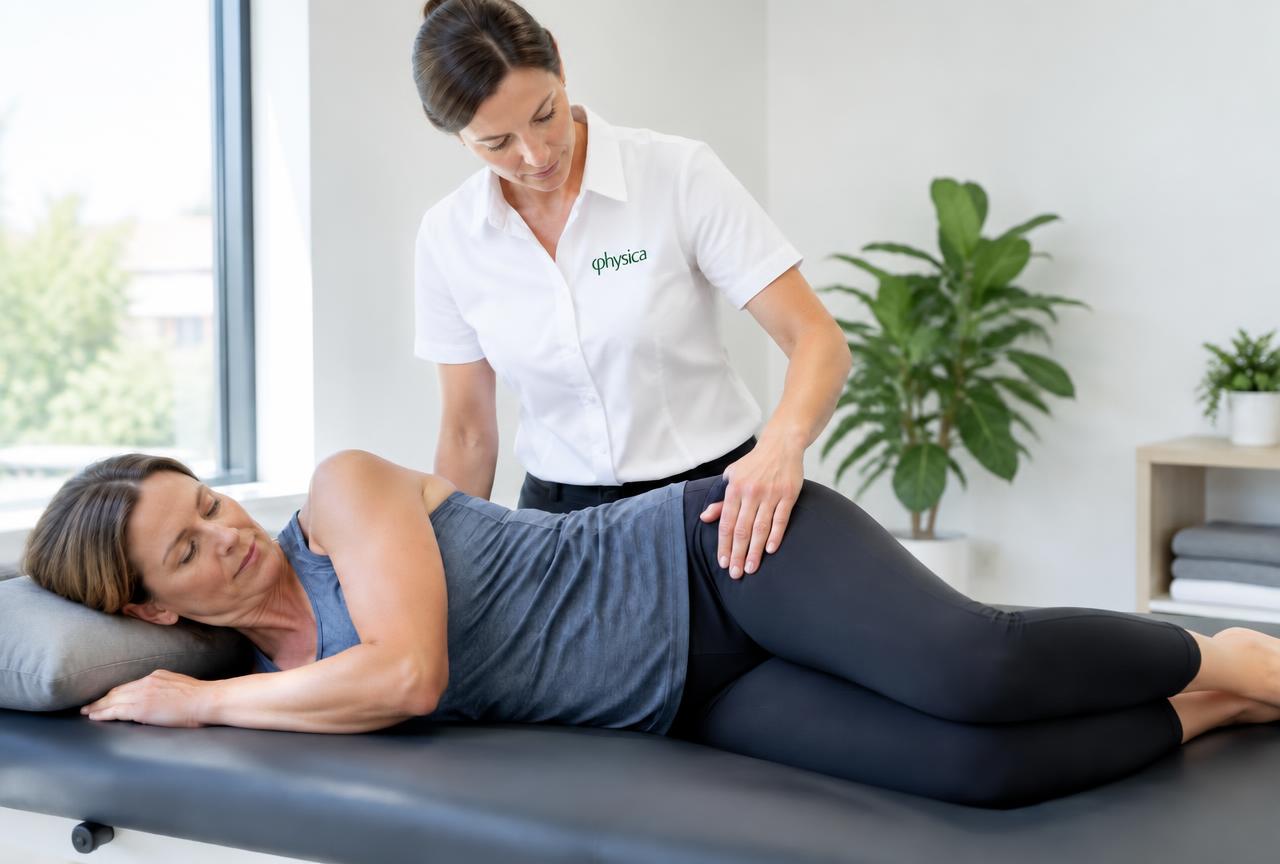
Many running injuries can be managed well while still keeping you active! At Physica Knoxfield, a typical plan may include:
A thorough assessment to identify the injury and what's causing it, including a deep dive into your training history, strength and movement
A running assessment to look at how you run, and if this might be relevant to your injury
Training load advice, often adjusting rather than stopping your running completely
A progressive strength program targeted to the injured area and the demands of running
A return-to-run plan with clear steps that help you get back to your usual distance, pace, or next event
Everyone's recovery is different, and tendon and bone injuries in particular need patience. Your physio will adjust your program as you go.
When to get it checked
It's worth booking a physio assessment if:
Your pain has lasted more than two weeks, or keeps coming back at the same point in your runs
You're limping, or the pain is changing the way you run
Your pain is getting worse each week, despite cutting back
You have an event coming up and need a plan to get there
See a physio or GP promptly if you have sharp, pinpointed pain on a bone that's worse with each run, pain at rest or at night, or have swelling over the bone. Seek urgent care if you can't put weight on the leg, or felt a sudden snap or pop at the back of your ankle.
Book a running injury assessment at Physica Knoxfield
You don't need a GP referral to see a physio. Our team works with runners from Knoxfield, Rowville, Lysterfield, Scoresby, Ferntree Gully and across the Knox area, and you can claim on the spot with HICAPS if you have private health cover with extras.
Book online or call us on 03 9764 9359 to make a time to see one of our physios today.
This article is general information only and isn't a substitute for advice about your own situation. Please speak with a health professional about your symptoms.
Written by Milly Kenny, Physiotherapist at Physica Knoxfield.