Ankle sprains are one of the most common injuries we see in physiotherapy, but they are often underestimated. Many people “walk them off” or skip treatment altogether, which can lead to long-term problems and chronic ankle instability.
Why ankle sprains deserve attention
Lateral ankle sprains, the classic “rolled ankle”, come with some important statistics:
They have a high rate of recurrence.
Around 40% progress to chronic ankle instability.
Up to 40% of people do not seek treatment.
They contribute to around 80% of post-traumatic ankle arthritis.
In short, what feels like a minor injury at the time can become a persistent problem if it is not managed well.
What actually gets injured?
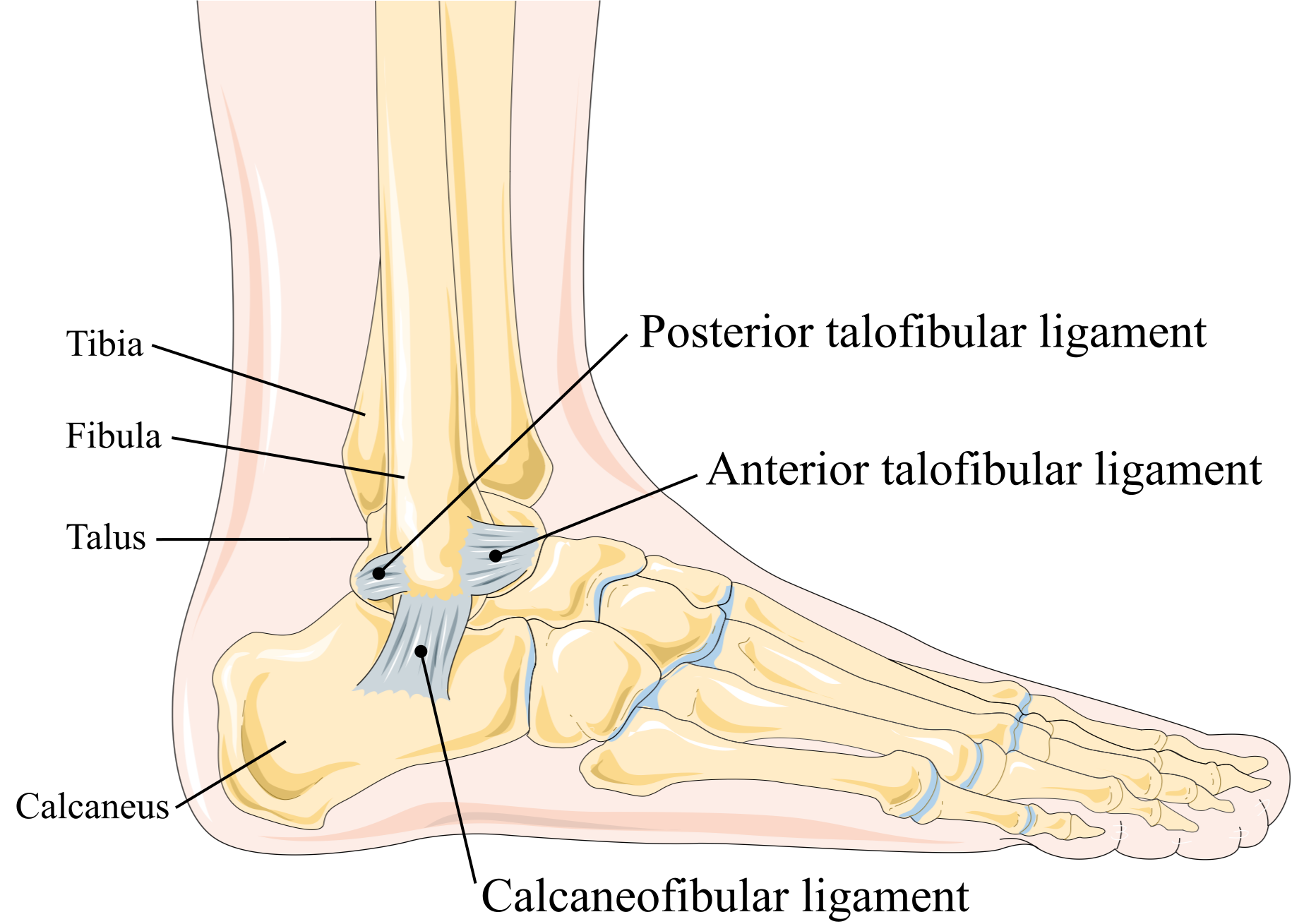
Most lateral ankle sprains involve the ligaments on the outside of the ankle:
ATFL (anterior talofibular ligament): the most commonly injured.
CFL (calcaneofibular ligament): often involved in more severe sprains.
PTFL (posterior talofibular ligament): less commonly injured.
How do ankle sprains happen?
Most occur when the foot rolls inward (inversion), often while the foot is pointing down (plantarflexion). People often report:
A “pop” or tearing sensation
Immediate pain and swelling
Difficulty walking
Symptoms to watch for
Not all ankle sprains are equal. Key symptoms include:
Pain, usually on the outside of the ankle
Swelling
Bruising, which can indicate a more severe injury
Difficulty putting weight through the foot
Red flag: if you could not put any weight on your foot after the injury, there may be additional damage and you should have it assessed promptly.
Could it be more than a sprain?
Sometimes other structures are involved, especially if symptoms are more severe or are not improving:
Bone injuries, such as fractures of the talus, calcaneus or 5th metatarsal
Tendon injuries, such as the peroneal tendons
Other ligaments, including the syndesmosis (“high ankle sprain”)
Nerve irritation
This is why a thorough assessment is important.
When do you need imaging?
Clinicians often use the Ottawa Ankle Rules to decide whether an X-ray is needed. You may need imaging if you have:
Tenderness over specific bony points (the outer ankle bones, 5th metatarsal or navicular)
An inability to bear weight immediately after the injury
Grading ankle sprains
Sprains are typically classified into three grades:
| Grade 1 (mild) | Grade 2 (moderate) | Grade 3 (severe) |
|---|---|---|
|
|
|
Early management: what works best?
One of the biggest mistakes is too much rest for too long.
Key principles
Use a brace or boot early for support in moderate to severe sprains.
Start gentle movement (around three times a day) as soon as possible.
Avoid prolonged immobilisation, as it can lead to weaker healing tissue.
Be cautious with anti-inflammatories early on, as they may interfere with healing. Check with your GP or pharmacist about medication.
Rehabilitation: the key to preventing re-injury
Rehab is not just about relieving pain. It is about restoring full function and reducing the chance of the sprain happening again.
Early stage goals
Restore range of motion
Reduce pain and swelling
Begin light strengthening
Mid stage
Strength training, especially for the calf and ankle muscles
Balance and proprioception work
Controlled loading, such as heel raises and resisted movements
Late stage
Hopping and landing drills
Agility and change of direction
Sport-specific training
Long-term prevention
Returning to sport safely
A safe return is not just about time. It is about function. We assess:
Pain levels
Strength and endurance
Balance and control
Confidence in the ankle
Your ability to perform sport-specific tasks
Comparing the injured side with the uninjured side helps us understand your baseline and when you are ready to return.
The bottom line
Ankle sprains are common, but they are not trivial. Without proper rehab, they can lead to:
Chronic instability
Repeated sprains
Long-term joint damage
With the right treatment plan, most people can return to full activity safely and confidently. If you have rolled your ankle, our physiotherapists can assess the injury and guide your recovery.