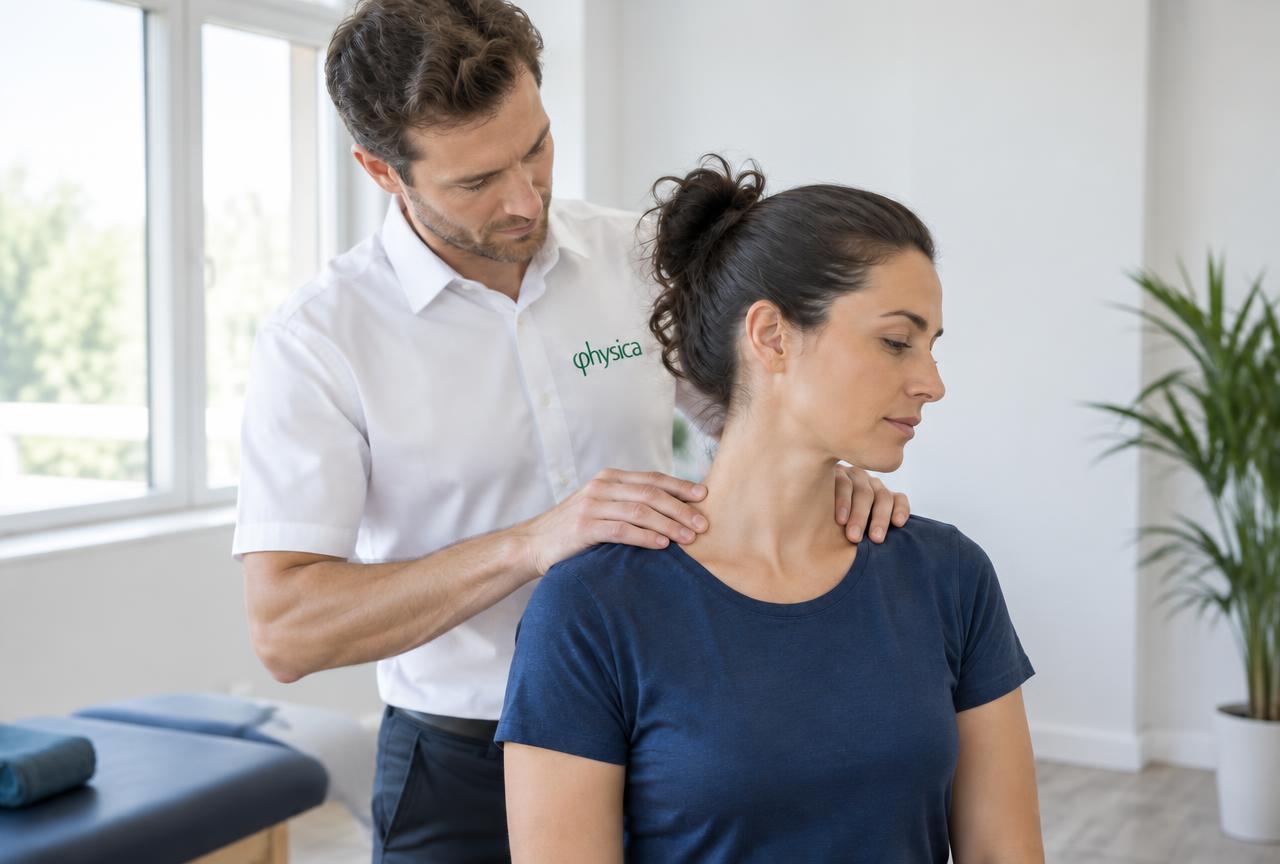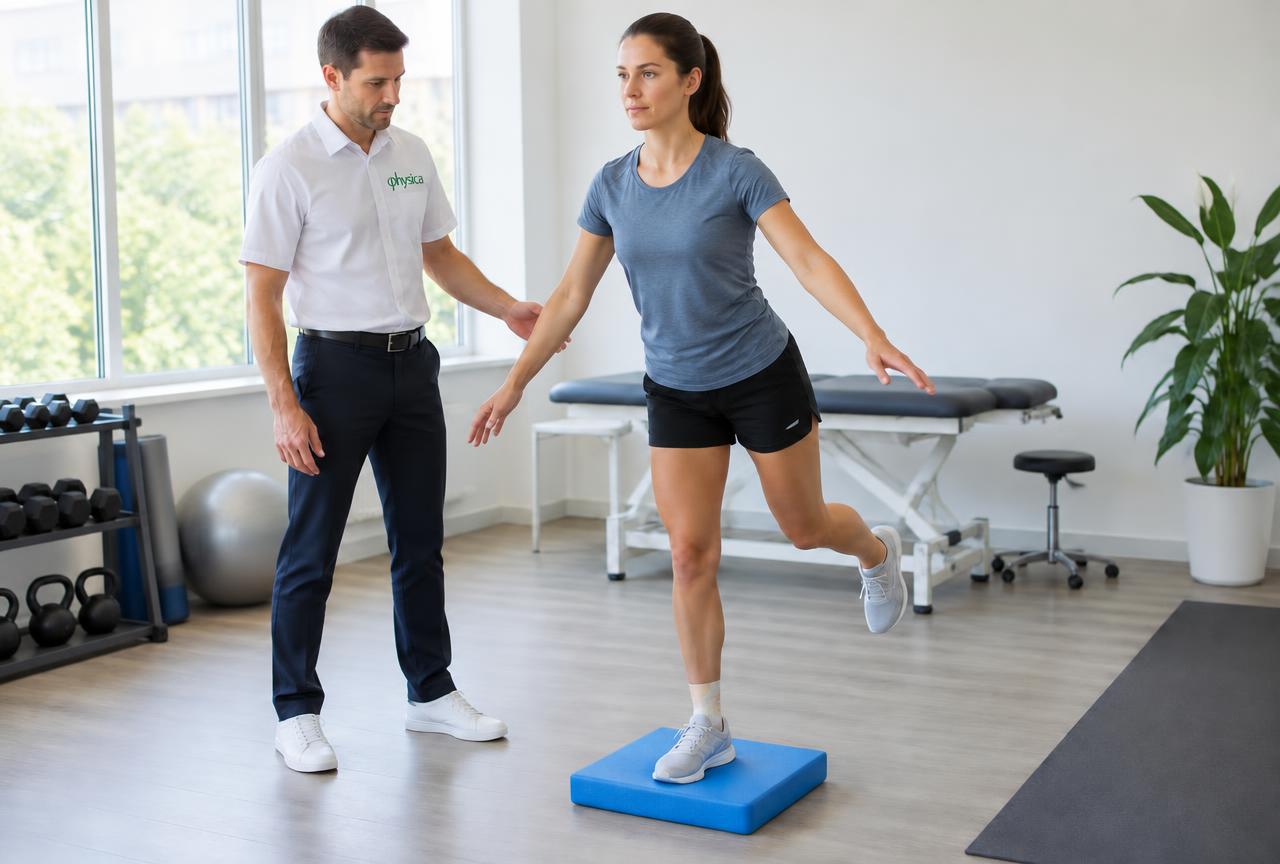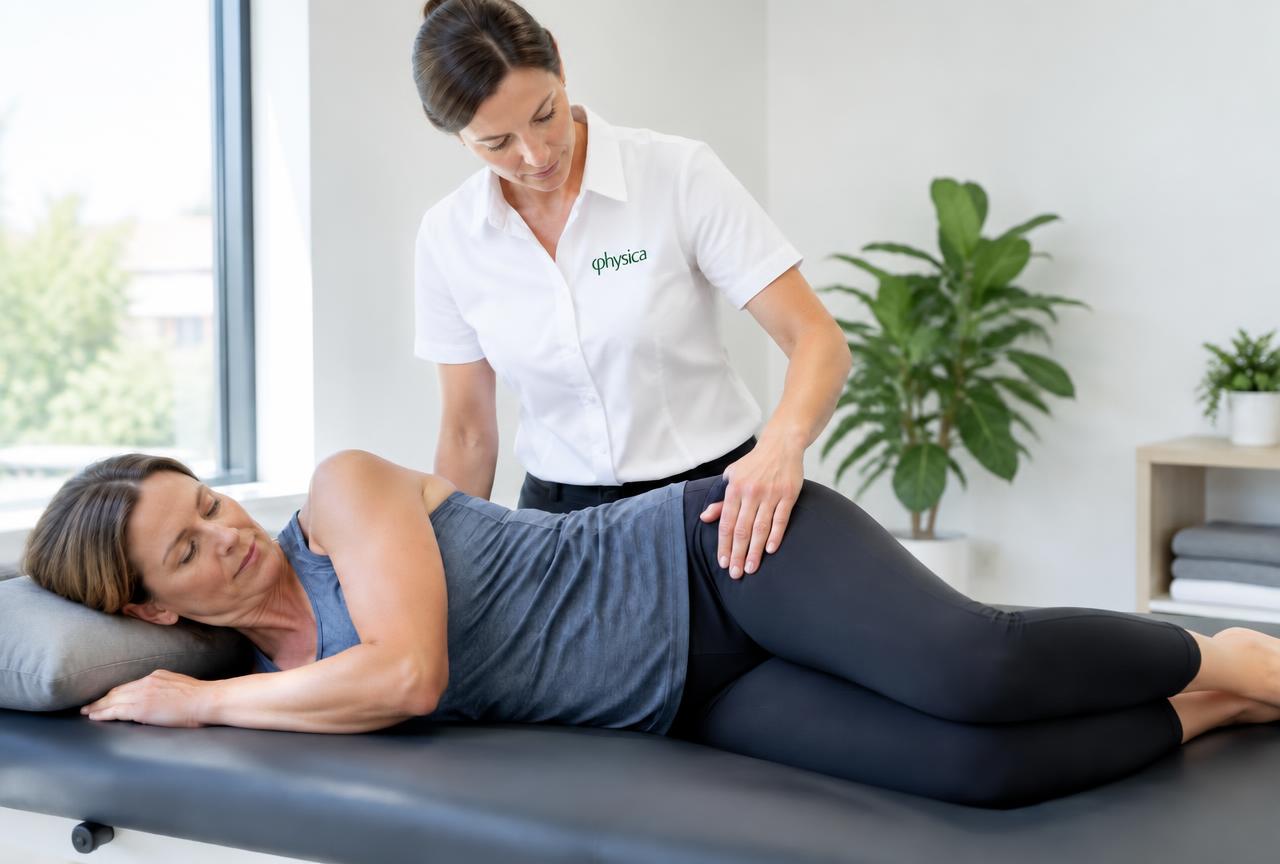

Knoxfield and Scoresby are home to thousands of people who work on their feet: warehouse and logistics staff, forklift drivers, tradies, factory workers and delivery drivers. If that's you, there's a good chance you've had a sore back at some point. It's one of the most common reasons local workers come to see us at Physica Knoxfield. In our clinic, we've had the privilege of getting many of these workers feeling better and back to their duties.
In this article we'll explain why physical work can load the back, what back pain usually is (and isn't), what can help on the job, and when it's time to get your back pain looked at.
Why physical work loads the back
Our backs are strong and built to bend, lift and twist. It's when the load is more than what our back is prepared for that problems can start to arise. On the job, that often looks like:
A sudden jump in workload, such as during peak season, working overtime or starting a new role
Repetitive lifting or bending, especially late in a long shift when you're tired
Long periods in one position, such as driving a truck, forklift, or prolonged sitting
Lifting something heavier or more awkward than usual, often without warning
Poor sleep, stress, or coming back to work after time off
What back pain usually is
Most back pain isn't caused by serious damage. In the majority of cases, no single structure can be pinpointed as the cause, and it's usually described as non-specific low back pain. It can still be very painful, but pain levels don't always match how much is "wrong".
For most people, back pain improves within a few weeks. Staying gently active usually helps recovery more than bed rest. Some people get pain spreading into the buttock or leg, sometimes with pins and needles. That can mean a nerve is irritated, and it's worth seeing one of our physios to have it assessed.
You may have been told there's one "right" way to lift. In reality, the biggest factors are usually how strong and conditioned your back is for the work you're doing, how tired you are, and how much load you're handling over a shift. Bending your back isn't inherently dangerous in itself. Building your capacity to handle the work is what makes the difference.
What can help on the job
Keep moving. If you can, stay at work on normal or modified duties. Gentle activity usually helps your back recover faster than resting at home.
Break up long positions. If you drive, sit or stand for long periods, try changing positions occasionally, or take a short walk when you get the chance.
Vary your tasks where possible, rather than doing the same lift for hours.
Use the equipment. Trolleys, hoists, team lifts and keeping loads close to your body all reduce the load on your back.
Look after the basics. Sleep, hydration and managing stress all affect how your back feels.
Build strength outside work. A stronger back, hips and legs help you handle a physical job day after day. This is a big part of what a physio program focuses on.
Hurt at work? WorkSafe claims
If your back pain was caused by a work incident, let your employer know and talk to them about lodging a WorkSafe Victoria claim. Physio treatment can often be covered under an accepted claim. Bring your claim number to your appointment and we'll help with the paperwork.
How physio can help
Back pain from physical work can often be managed well with a plan that settles pain and rebuilds your capacity for the job. At Physica Knoxfield, a typical plan may include:
A thorough assessment to work out what's driving your pain, check for nerve involvement, and rule out anything that needs further investigation
Advice on staying at work, including suggestions for modified duties while you recover
Hands-on treatment where it helps, to ease pain and get you moving
A progressive strength and conditioning program built around the tasks your job demands, such as lifting, carrying, bending or long hours of driving
A return-to-full-duties plan, working with your employer or insurer where needed
Everyone's recovery is different. Our physios will adjust your program as you go and help you build the strength to reduce the chance of it coming back.
When to get it checked
It's worth booking a physio assessment if:
Your back pain hasn't started improving after a week or two
It keeps coming back, especially during busy periods at work
You have pain, pins and needles or numbness spreading into your buttock or leg
It's stopping you doing your normal duties, or you're worried about your job
Seek urgent medical care straight away if you notice numbness around your groin or inner thighs, new trouble controlling your bladder or bowels, or weakness in your legs that's getting worse. See your GP promptly if your back pain followed a significant fall or accident, or comes with fever, unexplained weight loss, a history of cancer, or severe pain at night that doesn't change with position.
Book a back assessment at Physica Knoxfield
You don't need a GP referral to see a physio. Our team works with workers from Knoxfield, Scoresby, Rowville, Ferntree Gully, Bayswater and across the Knox area, and you can claim on the spot with HICAPS if you have private health cover with extras. We also see patients under WorkSafe Victoria claims.
Book online or call us on 03 9764 9359 to make a time to see one of our physios today.
This article is general information only and isn't a substitute for advice about your own situation. Please speak with a health professional about your symptoms.
Written by Milly Kenny, Physiotherapist at Physica Knoxfield.